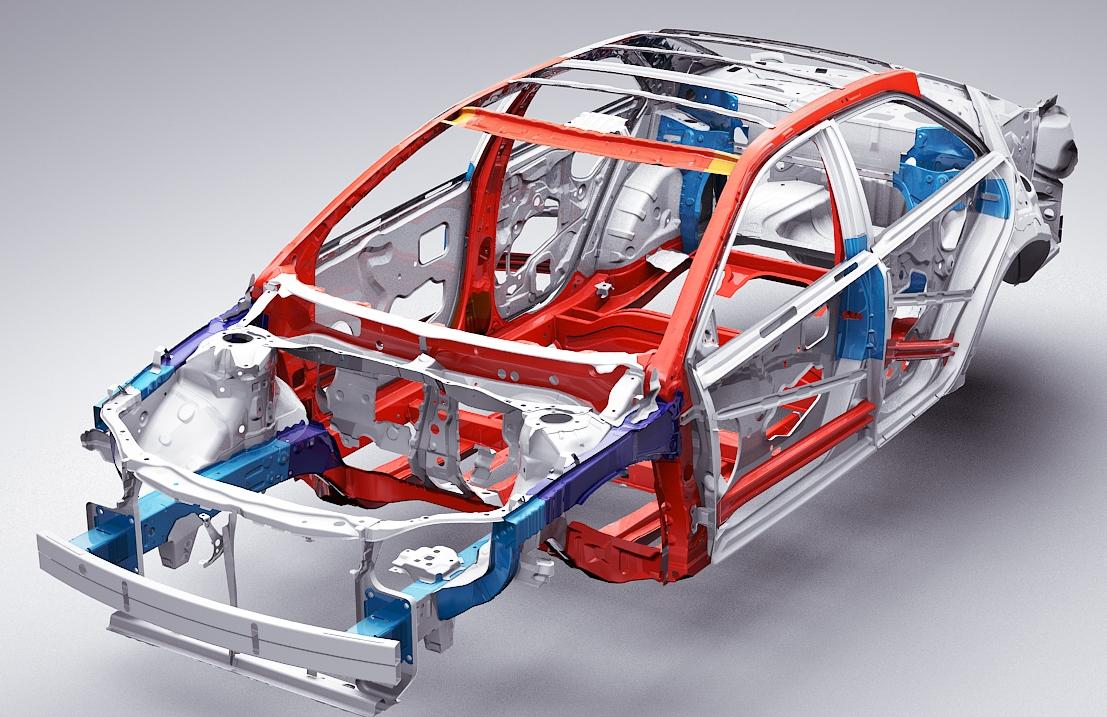
Press Hardening
Hot Stamping Forming
Hot stamping forms a heated steel blank while rapidly quenching it inside the die to secure strength. It resolves the conflicting demands of formability and strength in a single process, but in-die cooling-channel design determines quality. JISUNG applies the press-die design capability accumulated since 1988 directly to hot-stamping die structures.
- 900℃
- Blank heating temperature range
- 1,500MPa
- Tensile strength class after quenching
- Cooling
- Die-quenching channel design
Core Technology
we produce ultra-high-strength parts.
01
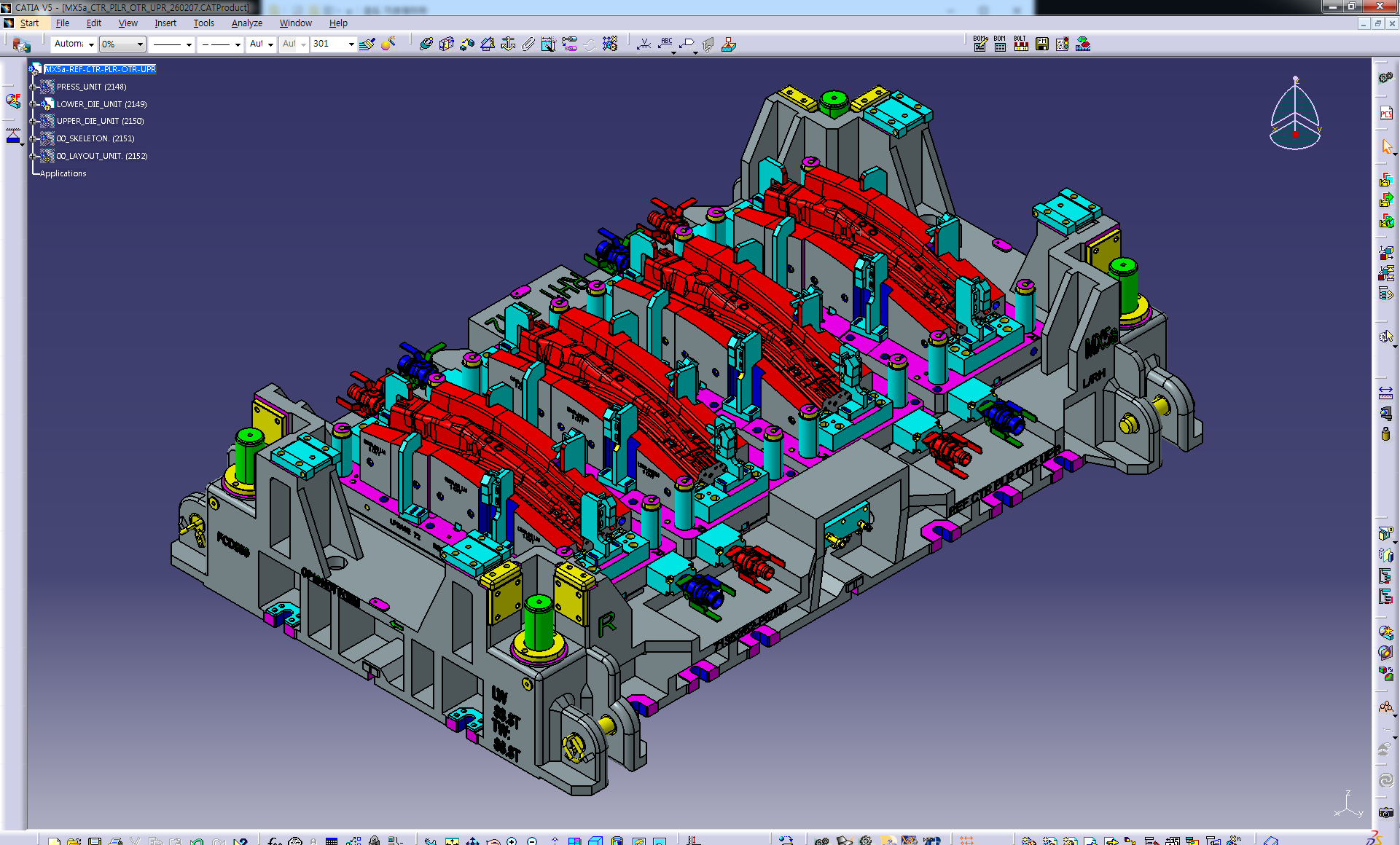
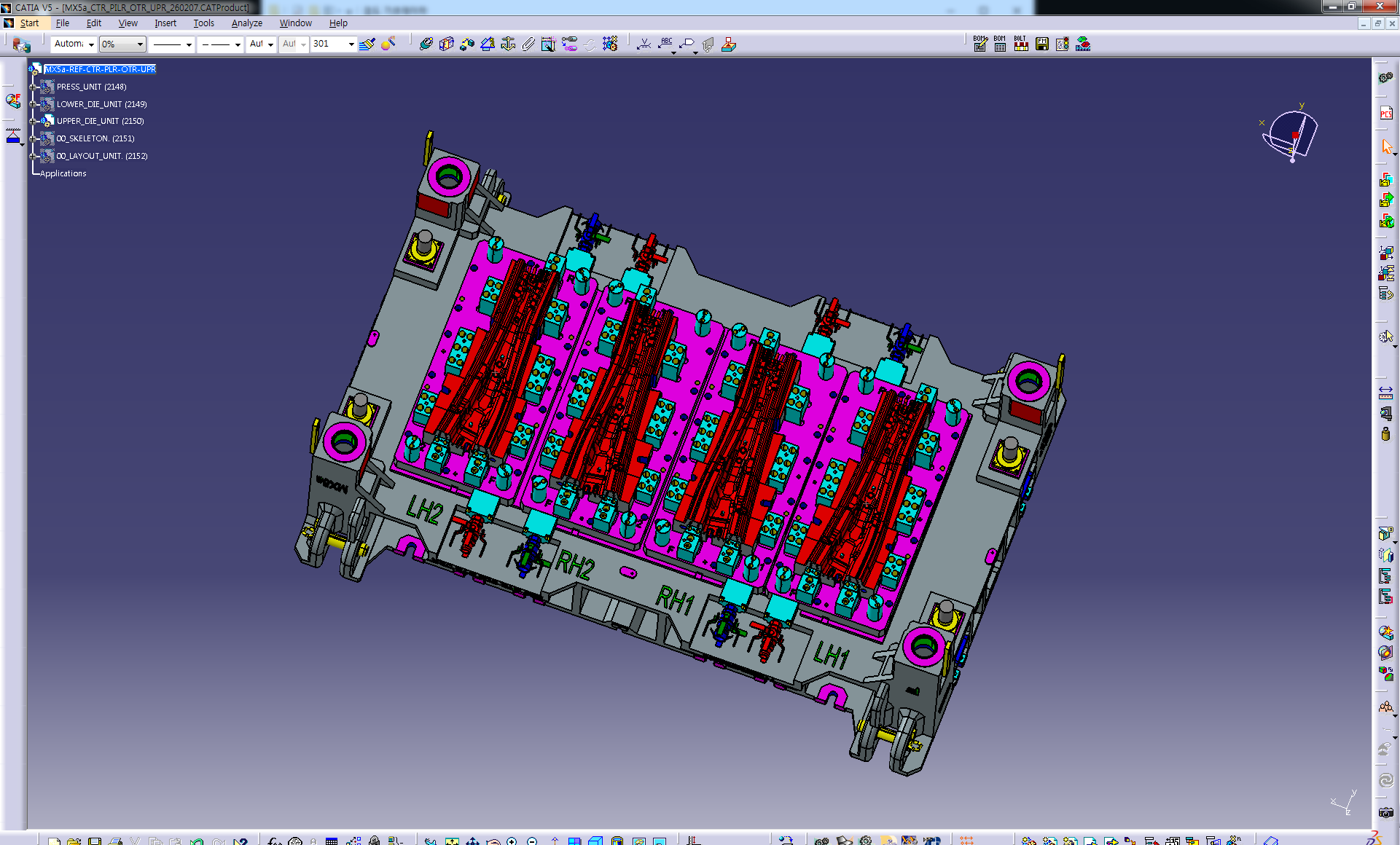
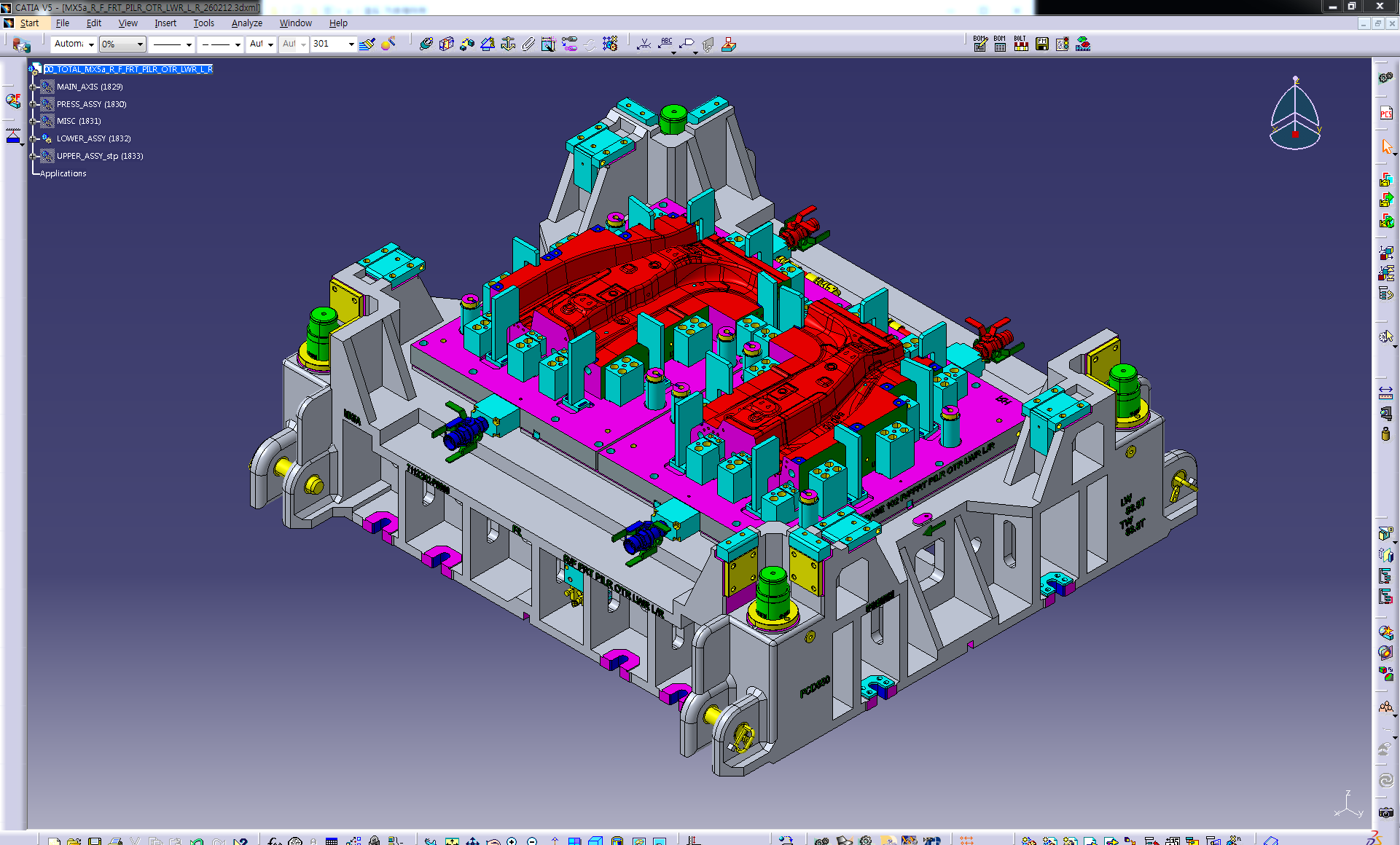
Hot Stamping Die DesignHot Stamping Die
- Upper/lower die structures that withstand both high-temperature forming and quenching
- Material selection and split design considering thermal distortion and wear
02
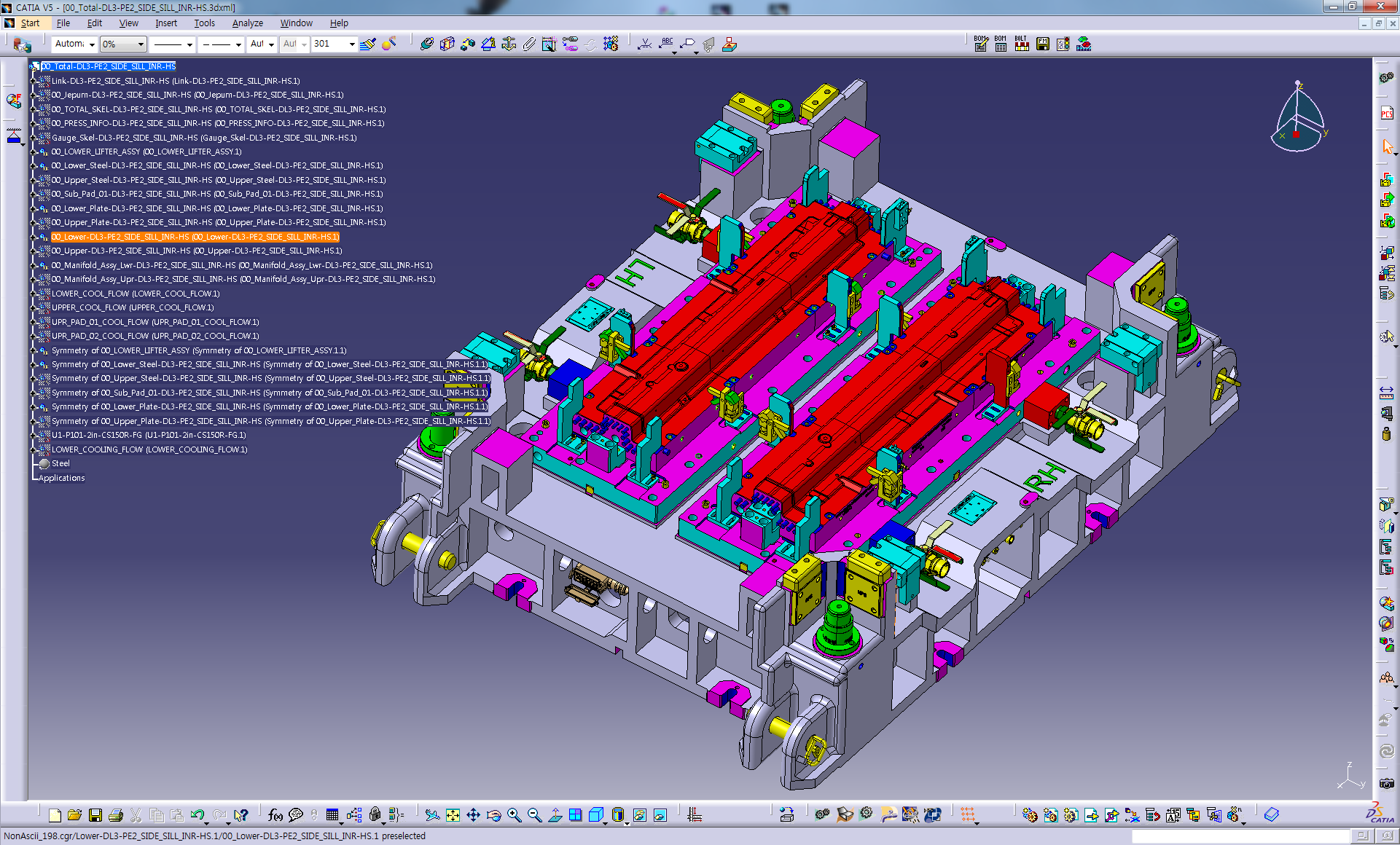
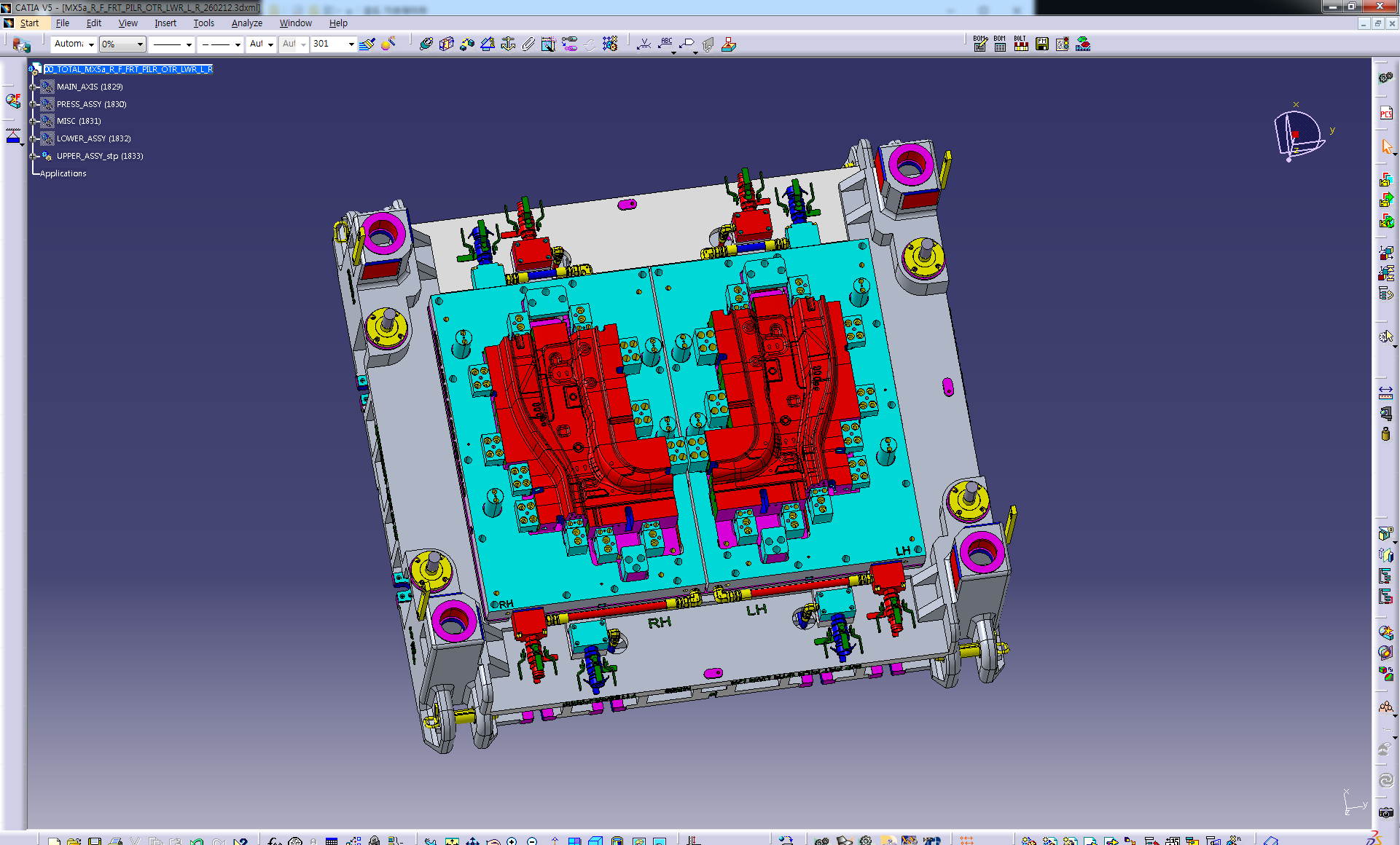
Cooling Channel DesignCooling Channel
- Channel layouts that secure die-quenching cooling rates
- Reducing local cooling deviation to prevent hardness non-uniformity
03
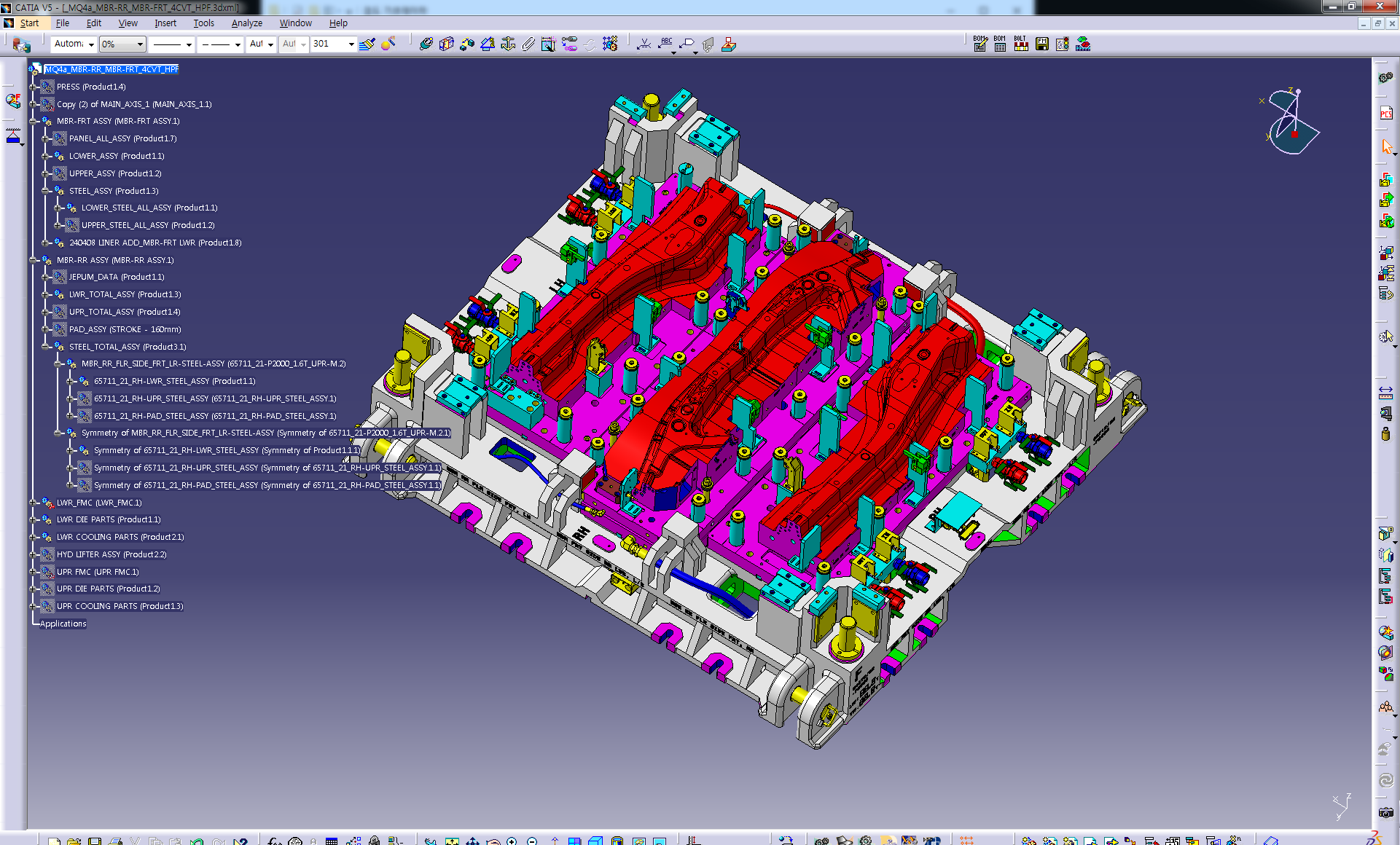
Forming & Process ValidationForming Validation
- Predicting fracture, wrinkling and thinning in advance via forming analysis
- Geometry review assuming laser-trimming post-processes
Process
Hot Stamping Process
From heating to post-processing, temperature and time determine quality.
Step 1Blank HeatingHeating a boron-steel blank into the austenite range
Step 2TransferRapid transfer to the die while minimizing temperature drop
Step 3Forming & QuenchingDie quenching via in-die cooling channels during press forming
Step 4Laser TrimmingHigh-strength formed parts are cut and pierced by 3D laser
Toolchain
Key Tools & Materials
CATIA V5PAM-STAMPAutoFormDELMIA22MnB5Al-Si coated steel sheet
Deliverables
Die Design Upper/lower die structure · splitting · material spec
Cooling Design Cooling channel layout · flow paths · cooling deviation review
Process Validation Forming analysis report · thickness distribution · weak-point improvements
Post-Processing Laser-trimming reference geometry · fixture review